

Whoa! I dropped my first crypto card at a cafe. It skidded under a table and I felt sick to my stomach. That feeling—instant panic—was odd because I’d already set up cold storage. Initially I thought hardware wallets were dry, purely technical tools for paranoid users, but then repeated real-life fumbling forced me to rethink how tangible design influences everyday security decisions.
Really? Most people imagine a Ledger or Trezor hardware device. But modern card-based wallets change the mental model significantly. They slip into a wallet slot alongside your ID and credit cards (oh, and by the way, that pocket gets emptied constantly). They alter how you treat private keys simply because they’re physically adjacent to everyday items, and that physical proximity both helps and hurts security in subtle ways.
Hmm… Card wallets rely on NFC chips or secure elements. Actually, wait—let me rephrase that: the risk calculus shifts by context. My instinct said these were safer because of isolation, but real testing revealed edge cases. In practice you have to consider NFC relay attacks, lost-card procedures, and the usability of key recovery methods, and those are not just theoretical headaches—they change threat models in meaningful ways.
Whoa! For example, today’s Tangem-style cards feel exactly like credit cards in hand. You tap and confirm via a phone, then it’s done. That simplicity is brilliant for mainstream uptake because it removes awkward setup steps, however it also masks complex cryptographic operations that users don’t see, and that masking can breed overconfidence. Initially I thought that would be fine, but then I watched a workshop where several attendees treated their crypto cards casually and nearly lost access by swapping wallets between jackets.
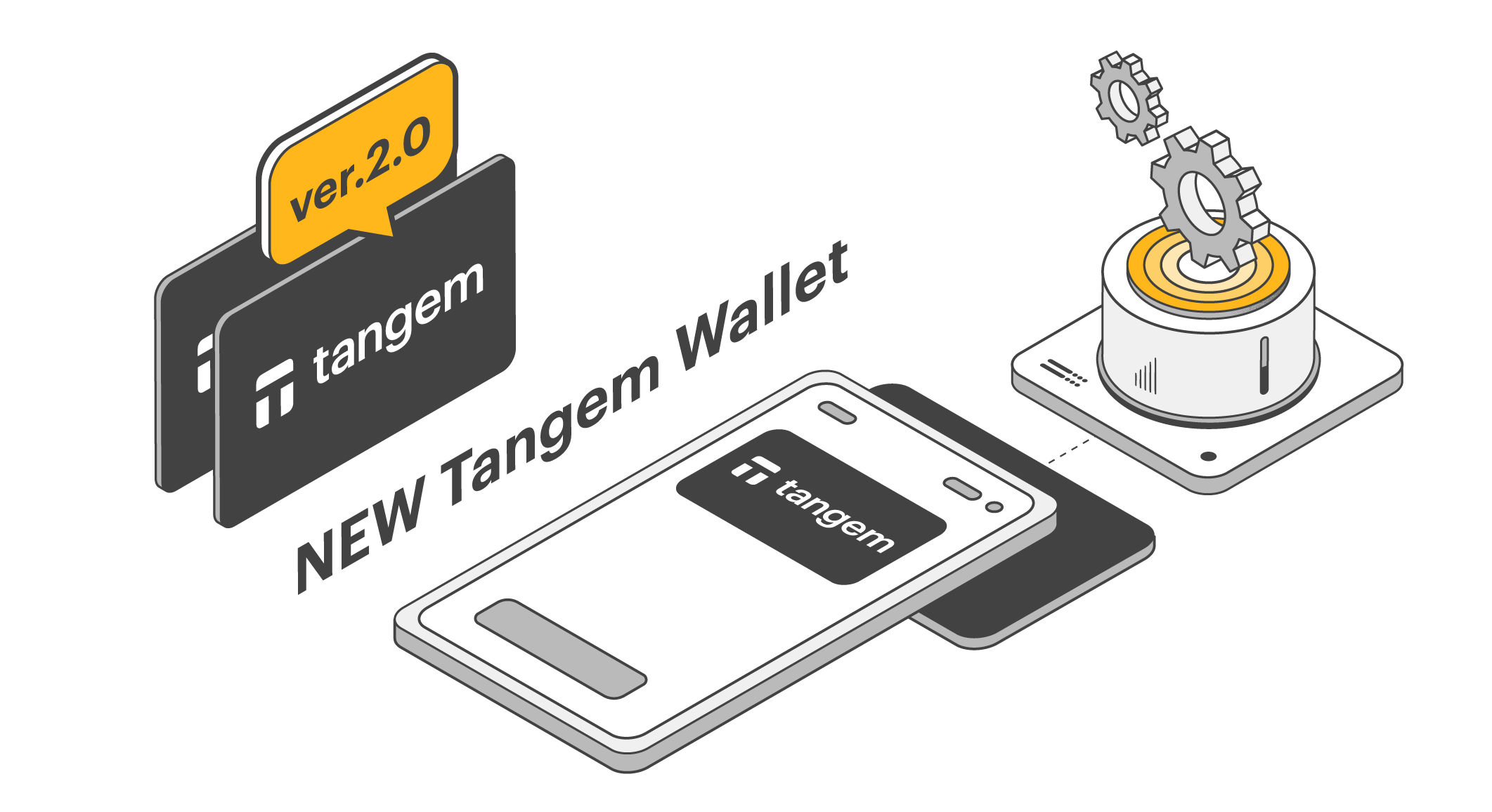
Seriously? Card wallets like these have clear and nuanced tradeoffs for everyday users. They optimize for portability and tactile interaction, which matters. But comparing them to seed-phrase wallets, you must evaluate recovery options, vendor trust, firmware upgrade mechanisms, and the ecosystem support for the card’s signature schemes, because missing one of those can strand funds. Here’s what bugs me about convenience-first designs in real world usage.
Here’s the thing. I tested a Tangem hardware card across several months in daily use. My routine included coffee runs, pockets, and airport security. Honestly, it survived spills, x-rays, and a frantic moment at TSA because the card’s secure element never emitted private keys and authentication always required the chip’s internal approval, which felt reassuring. Yet on one occasion the NFC handshake failed intermittently on an older phone, forcing me to use a backup workflow and reminding me that hardware compatibility matters just as much as cryptography.
Wow! Recovery is the sticky part when you lose a physical card or it malfunctions. Tangem offers optional guardianship and multi-card features that help mitigate single-point failures. On the other hand, these schemes introduce social coordination costs—if your recovery involves trusted friends, they must understand instructions and hold their piece securely, and that social layer is where many plans break down. I’m biased toward solutions that provide straightforward recovery without confusing steps.
Hmm… Security audits matter, and independent reviews are necessary to trust a vendor. Open designs let researchers probe implementations and find flaws before they harm users. Supply chain risks are real and you should care about provenance, somethin’ that isn’t glamorous but matters a lot. That said, given supply chain risks and bespoke secure elements, you must also consider hardware provenance, potential backdoors, and whether firmware updates can be cryptographically verified without exposing you to remote hacks. I initially underestimated supply chain concerns, but then some vendor stories and escrow controversies made me more cautious about trusting opaque manufacturing processes.
Seriously? User education still wins—people who understand basic signing workflows avoid many pitfalls. Design can nudge good habits by giving clear prompts and easy recovery flows. A card wallet that prompts for confirmations, shows transaction details simply, and offers fallback methods without overwhelming users will outperform a technically superior device that confuses people at critical moments. This contrasts with some lofty academic solutions that forget how people actually behave with wallets.
Practical takeaway and where to start
Okay, so check this out— If you care about blending crypto into daily life, card wallets deserve attention. I’m not 100% sure they replace seed phrases for everyone. Initially I thought they were a convenience overkill, but after months of use and watching others, I now see them as a pragmatic middle ground that balances usability with strong on-card protections, provided you accept different recovery tradeoffs. If you want to try one, check the implementation, read independent audits, and consider a reputable option like the tangem wallet as part of a layered approach to custody.
FAQ
Are card wallets safe enough for large amounts?
They can be, but treat them like any custody tool: understand recovery, split critical keys if needed, and use multi-factor defenses. A card’s secure element makes key extraction very hard, yet human and compatibility failures remain the biggest risks.
What happens if my card breaks?
Depends on your setup—many systems offer multi-card backup or guardianship. If you rely on a single physical card without recovery, loss can be permanent, so plan backups and test them.